
Cold and Flu Season With Little Kids: 5 Ways to Protect Your Family

The most useful cold and flu season tips for parents fit on an index card. A few sourced numbers, settled before October, give your family a steadier winter than any amount of late-night searching: flu shots by the end of the month, 20-second scrubs, sleep protected by age, and a vaccinated circle around the baby.
Why Pretend Play Matters for Toddlers and Preschoolers
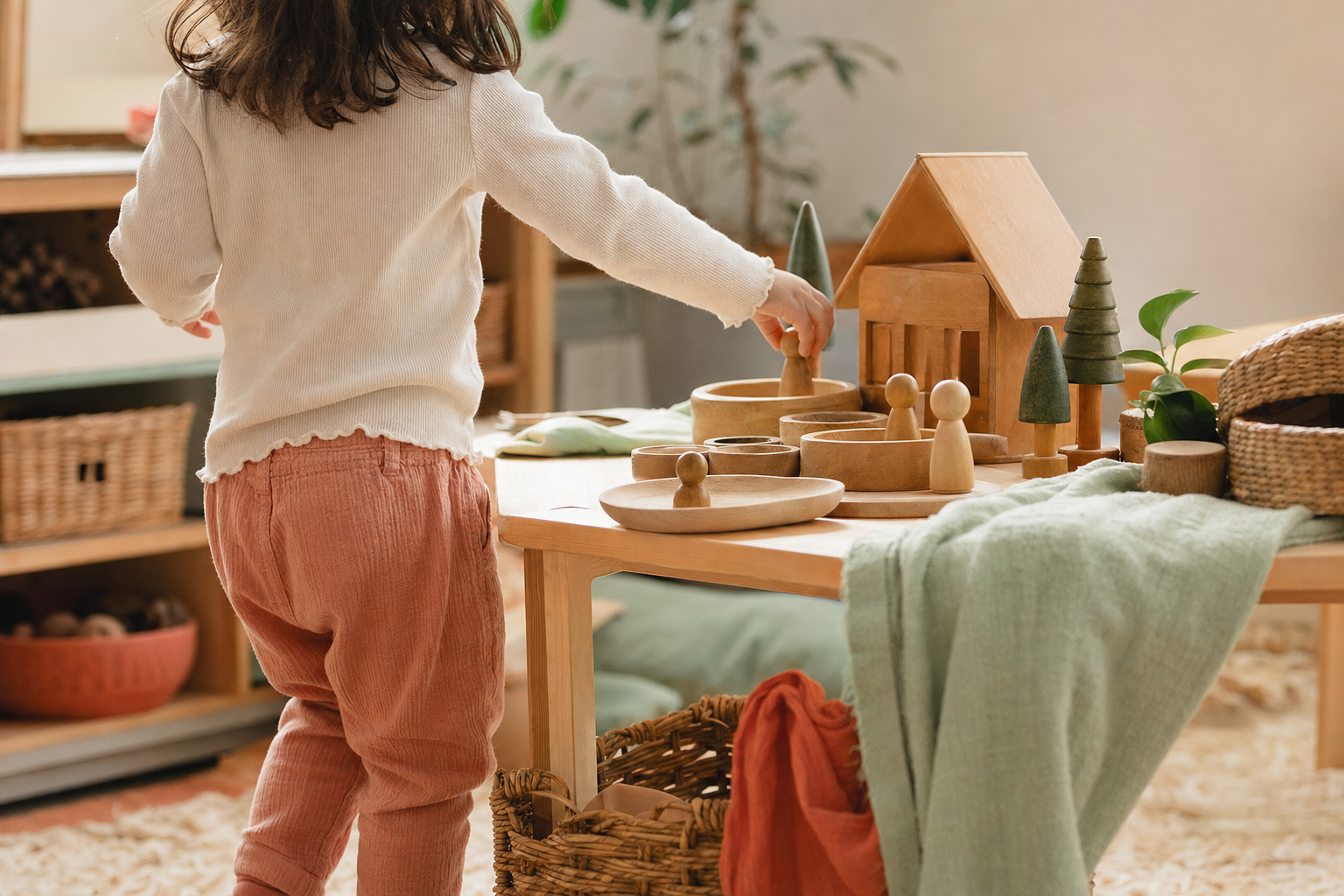
A spoon becomes a hairbrush, a block becomes a phone, and your child is rehearsing the same mental move that letters and numbers will demand later. Here’s why pretend play matters for toddlers and preschoolers, and why that pretend birthday party deserves to finish before bath time.
Why Kids Ask to Do the Same Thing 50 Times
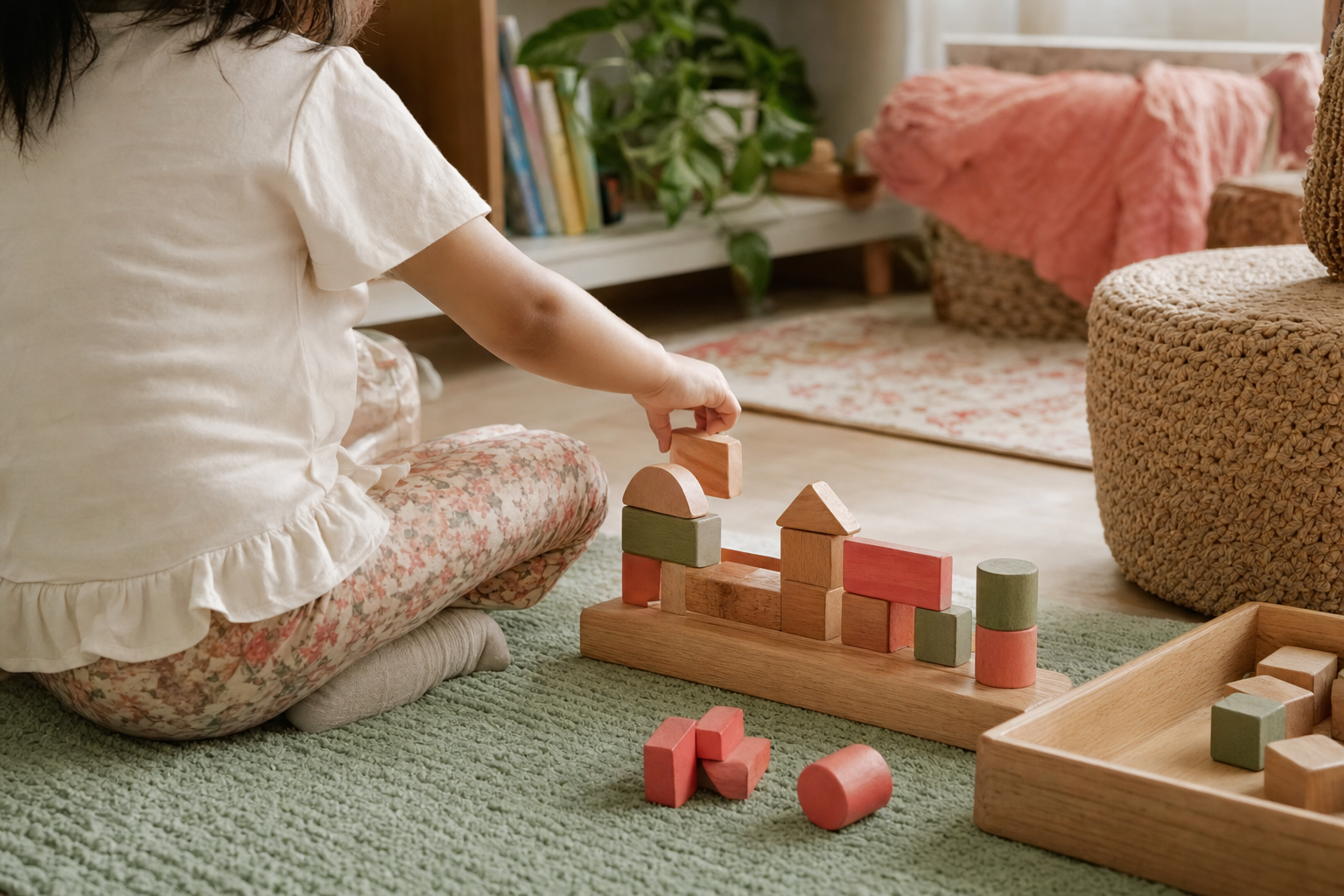
On the umpteenth reading of the same board book, your boredom is a poor signal to stop. Every “again!” walks your toddler’s brain down a well-worn path, strengthening the circuits behind memory, language, and that hard-won sense of knowing what comes next.
Curiosity Isn’t Just for Science: Asking Questions About Feelings
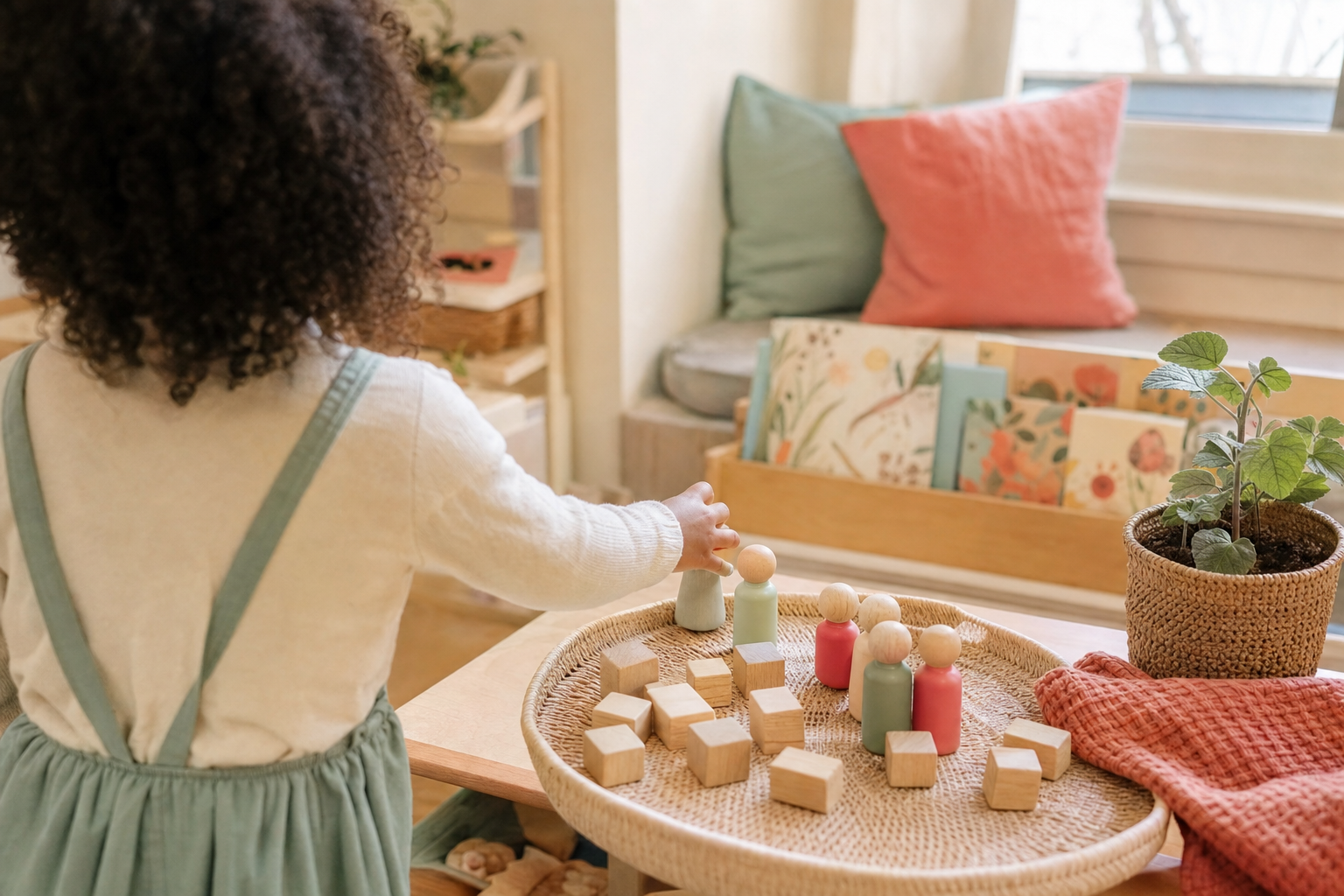
A science question and a feelings question run on the same engine: curiosity. Swap “What will happen?” for “How do you think she feels?” and your child’s habit of guessing, spotting clues, and checking becomes a way to read the people they love.
Your Child Is a Natural Scientist: Predict, Test, Observe

Your child is a natural scientist, and the method runs in three beats you can stage at the kitchen sink: predict, test, observe. Our position is that the words you add afterward matter as much as the activity — and repetition with small variations is how you tell a real question from an ordinary mess.
Early Math Is Not Counting: What It Actually Looks Like Before Age 3

Your toddler may chant number words in perfect order and still be unsure which plate holds more crackers. Before age three, math lives in handing out snacks, sorting socks and the tall cup beside the short one — reciting is memory work, and knowing how many comes later.
A Question a Week: Turning One Question Into a Week of Play at Home

Answer your child’s question on the spot and the asking tends to stop there; carry that one question across five short days — talk, read, build, test, revisit — and you buy dozens of back-and-forth turns instead. Nothing gets bought, nothing gets prepped, and your child picks the subject.
20 Open-Ended Questions to Ask Your Toddler

Car rides go quiet, and dinner turns into a report card nobody wants to fill out. The questions that open a toddler up start with what, where, why, or how — and then they stop, because the waiting is the part that does the work.
What Is Inquiry-Based Learning?

From the doorway it all looks like play. Inquiry-based learning is the questioning loop running inside the play — wondering, predicting, testing, rethinking — and you’ve already watched all four play out on your own kitchen floor.
Fall Allergies vs a Cold: How to Tell the Difference

Fever, itch, and duration are the three tells worth reaching for first at six in the morning with a tissue in one hand. Mid-September is genuinely hard to call because ragweed peaks just as a fresh round of classroom viruses arrives — the numbers tell you what’s possible, and only the pattern over days tells you what’s happening.